
Bachelor’s Degree in Agronomy
The Bachelor in Agricultural Sciences, with a specialization in “Agricultural Engineering and Transitions”, focuses on plant production, including field crops, specialized crops and viticulture. The diversity of organizations, soils and regions, production systems and processes, as well as marketing methods and associated services, provides future graduates with a wide range of career opportunities.
This Bachelor program offers a specialization in plant protein and seed production and is co-delivered by the Campus of Nermont.


-
 Program type:
Bachelor’s degree programme
Program type:
Bachelor’s degree programme
-
 Lenght of training:
1 year
Lenght of training:
1 year
-
 Terms and conditions:
Work-study programme
Terms and conditions:
Work-study programme
-
 Status:
Target audience: students who have earned 120 ECTS credits relevant to their intended qualification (holders of a BTSA, a DUT in agronomy, a Bachelor’s degree in Biology, etc.).
Status:
Target audience: students who have earned 120 ECTS credits relevant to their intended qualification (holders of a BTSA, a DUT in agronomy, a Bachelor’s degree in Biology, etc.).
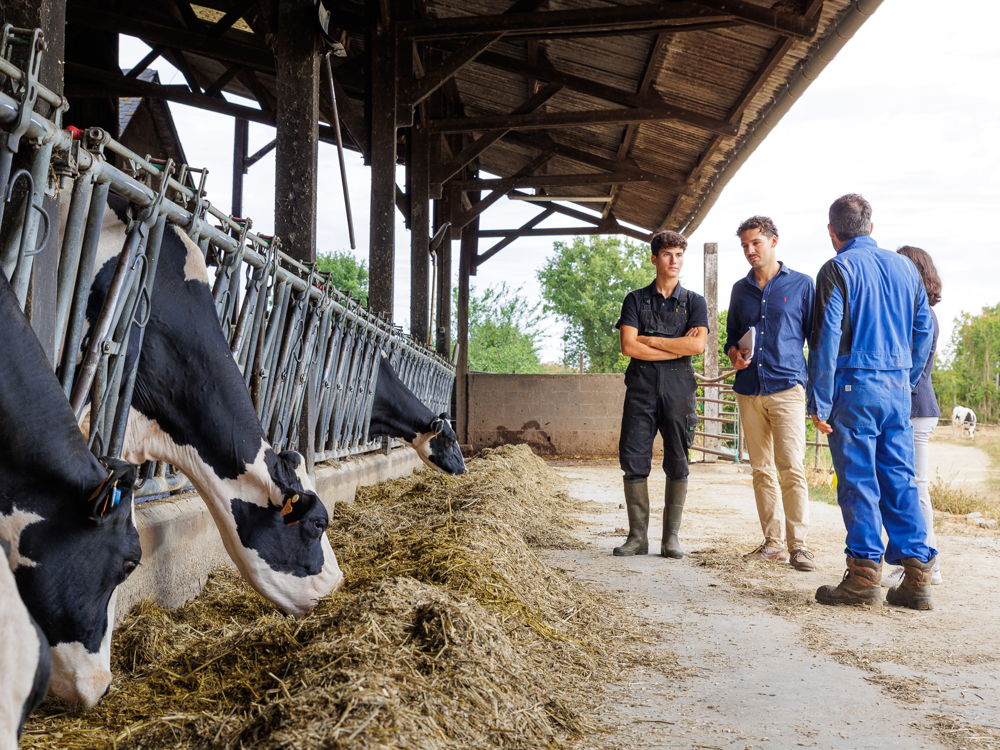
Why choose the Bachelor’s degree in Agricultural Engineering and Transitions?
Specialize in plant protein and seed production, with the program co-delivered by Campus de Nermont, and gain the skills to thrive in a dynamic and evolving agricultural sector.
OBJECTIVES
Established by the March 24, 2025 law on food sovereignty and renewing generations in agriculture, the Bachelor in Agro is a new national higher education degree in agriculture. Open to students one year after completing a BTS/ Higher National Technical Diploma, it awards a Bac+3 level and the Bachelor’s degree.
This program prepares future entrepreneurs and farm managers to:
- Lead agricultural organizations and manage production systems
- Support stakeholders in navigating change
- Develop strong observation, reasoning, and critical thinking skills through aholistic, multidisciplinary approach
- Design innovative solutions and provide context-specific, practical responses
Structure of the Bachelor’s degree programme in Agricultural Sciences
WHERE
About 17 weeks of on-campus learning at Nermont Châteaudun and ESA.
Admissions to the Bachelor’s degree in Agricultural Engineering and Transitions
ADMISSION REQUIREMENTS
Hold: a qualification demonstrating a sound understanding of the agricultural sector: a two-year post-A-level agricultural qualification or equivalent
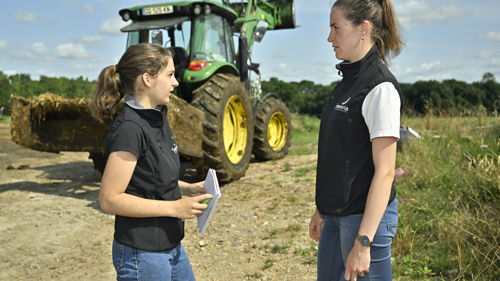
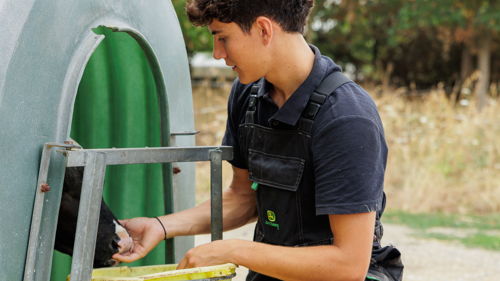
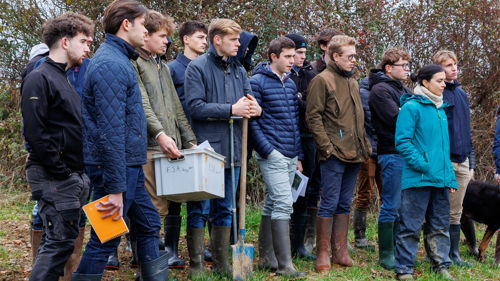
3 good reasons to choose the Bachelor’s degree in Agriculture, specialising in Agricultural Engineering and Transitions
01.
A short, one-year course
which enables graduates to enter the labour market immediately after graduation or to continue their studies.
02.
A course across two campuses
have access to technical facilities and a research environment.
03.
A comprehensive programme
Presentations by industry professionals, case studies, simulations and site visits.
Advantages of the Bachelor’s degree
KEY ADVANTAGES
- Presentations by industry professionals, case studies, simulations, visits
- A supervised project for a company, or how to find concrete solutions to current commercial issues in distribution. E-commerce, customer loyalty, inventory management, low-carbon supply chains, commerce and social media.
A teaching approach supported by work-study programmes to encourage students to take on responsibility and keep pace with the seasonal nature of businesses.
Tuituin fees & funding
WORK-STUDY PROGRAMME
Free training for apprentices/ students under an apprentiship contract.
The annual cost of training is €9,700. This amount may be covered by the company’s OPCO (French skills and apprenticeship funding body).
For apprenticeship contracts, the level of coverage is specified by France Compétences.
For a professional training contract, please contact the company’s OPCO.
If the cost of the training exceeds the level of coverage provided by the OPCO, the company will be asked to pay the remaining amount (remaining amount = cost of training – level of coverage provided by the OPCO) (see link above).
A training agreement is drawn up between the ESA Group and the employer, in parallel with the contract, to specify the qualification being prepared, the resources used, the cost of the training and any remaining costs.