
Agronomy | Environment | Food | Management and strategy
Train for careers that make a difference!
ESA is about much more than just a degree: it’s about openness, commitment and solidarity, enabling us to make a difference in agronomy, food and the environment.


Find your ideal degree programme
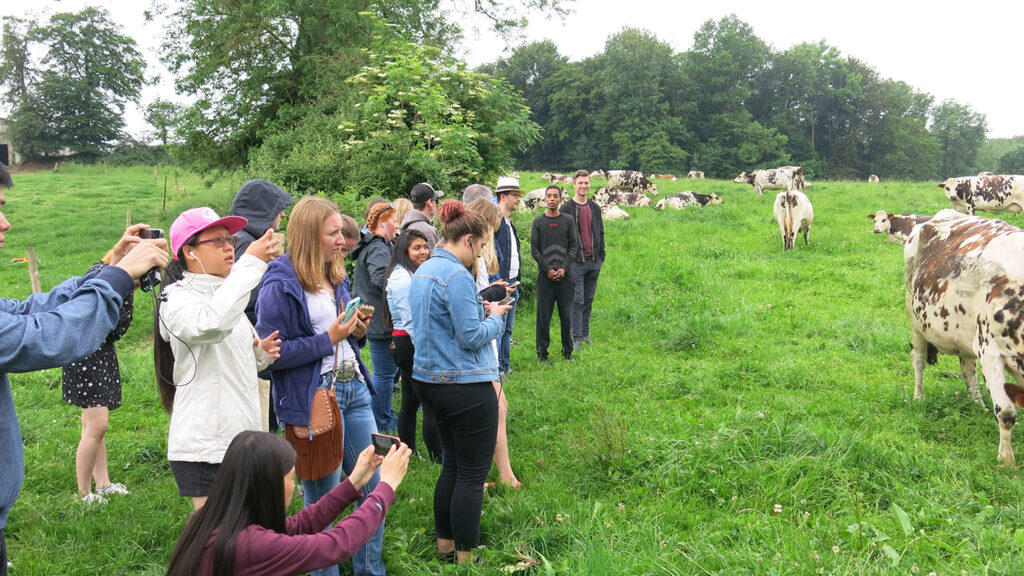

Summer programme: Value chains of a terroir-driven food system
- Duration : 4 weeks
- Field of Study : Animal Science, Crop production and Agroecology, Environmental Science, Food Science
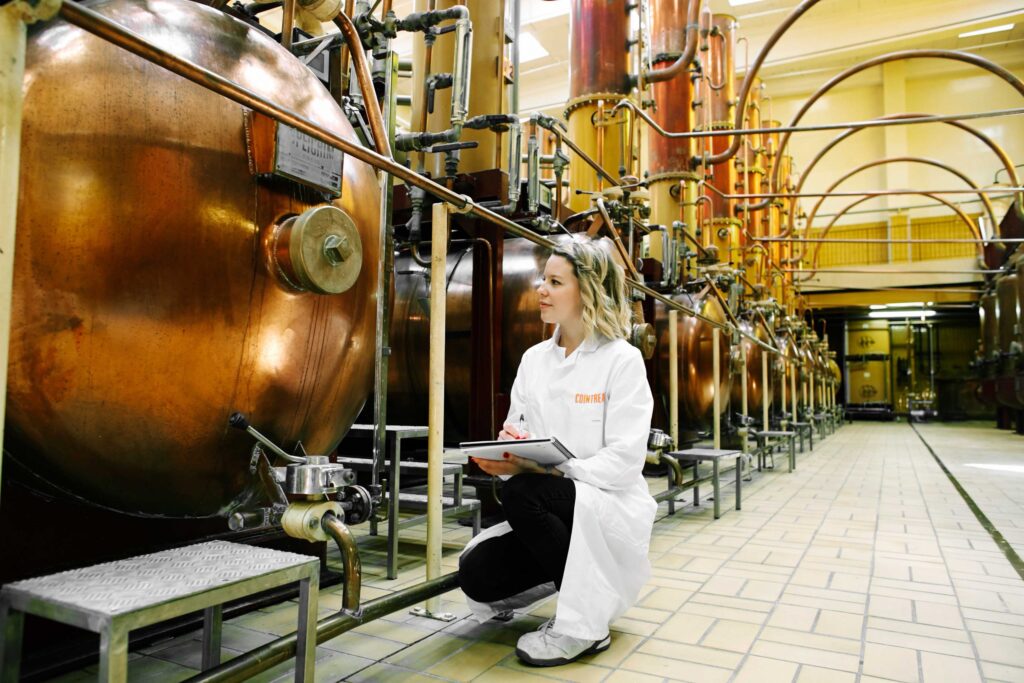
Bachelor and Master of Science – Agricultural Engineering
- Possible options : Student or apprenticeship status, Student status
- Duration : 5 years
- Campus : Angers
- Field of Study : Animal Science, Crop production and Agroecology, Environmental Science, Food Science, Management and strategy, Viticulture and oenology
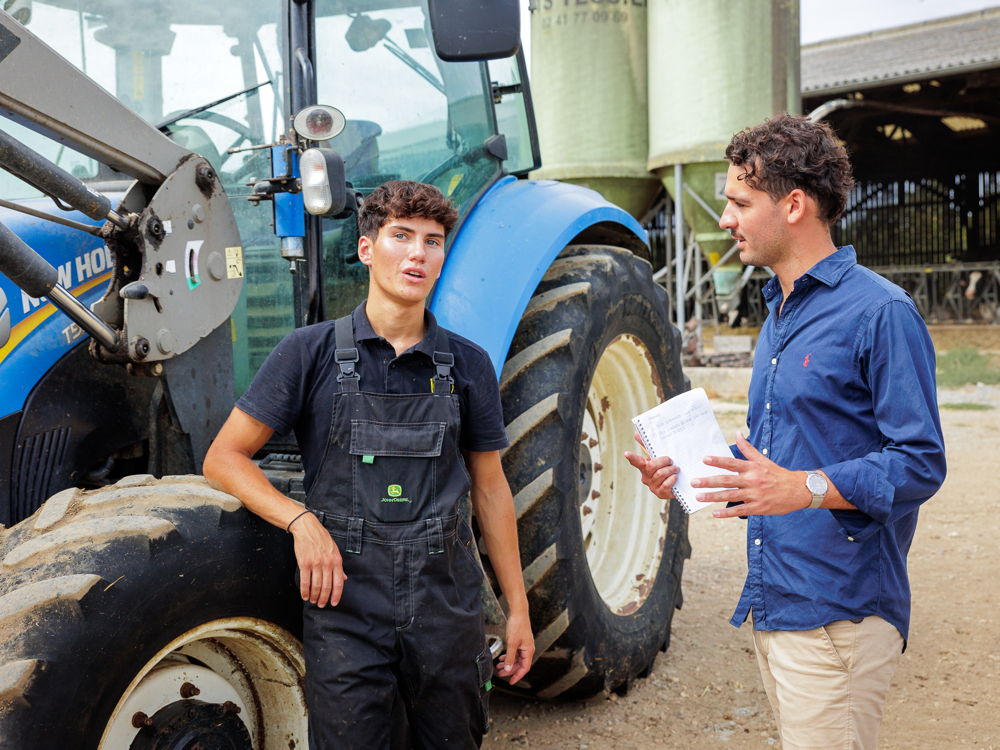
Professional Bachelor’s Degree in Agricultural Technical Sales
- Possible options : Student or apprenticeship status, Student status
- Duration : 1 an
- Campus : Angers
- Field of Study : Management and strategy
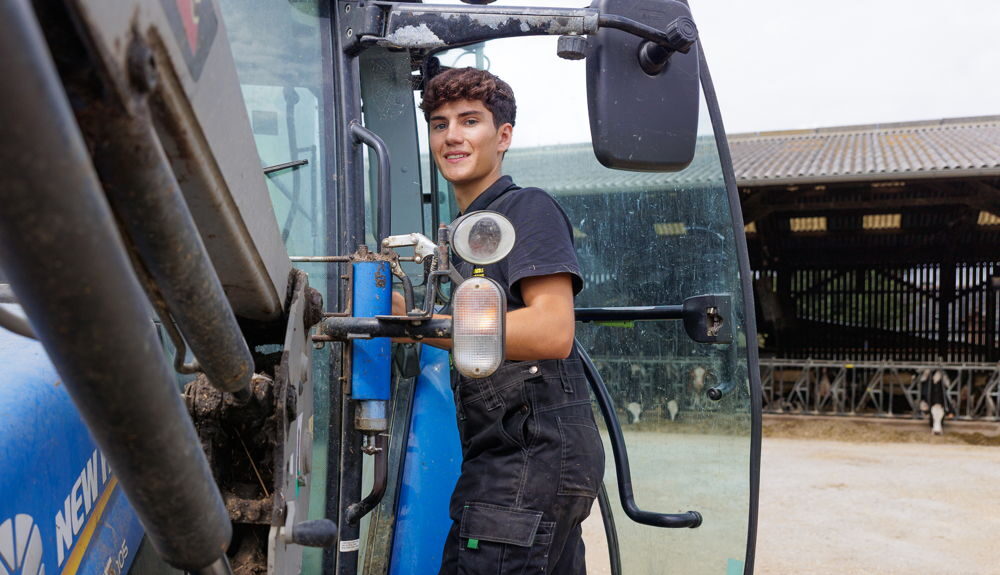

Professional Bachelor’s Degree in Agronomy (Plant Production)
- Possible options : Student or apprenticeship status, Student status
- Duration : 1 an
- Campus : Angers
- Field of Study : Crop production and Agroecology
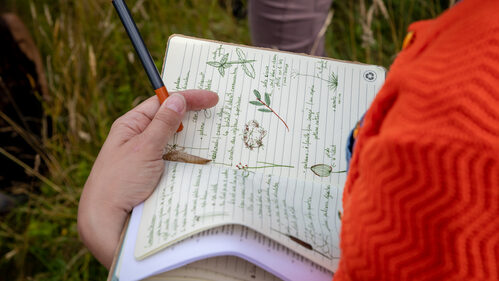

Professional Bachelor’s Degree in Landscape Architecture
- Possible options : Student or apprenticeship status, Student status
- Duration : 1 an
- Campus : Angers
- Field of Study : Horticulture & paysage
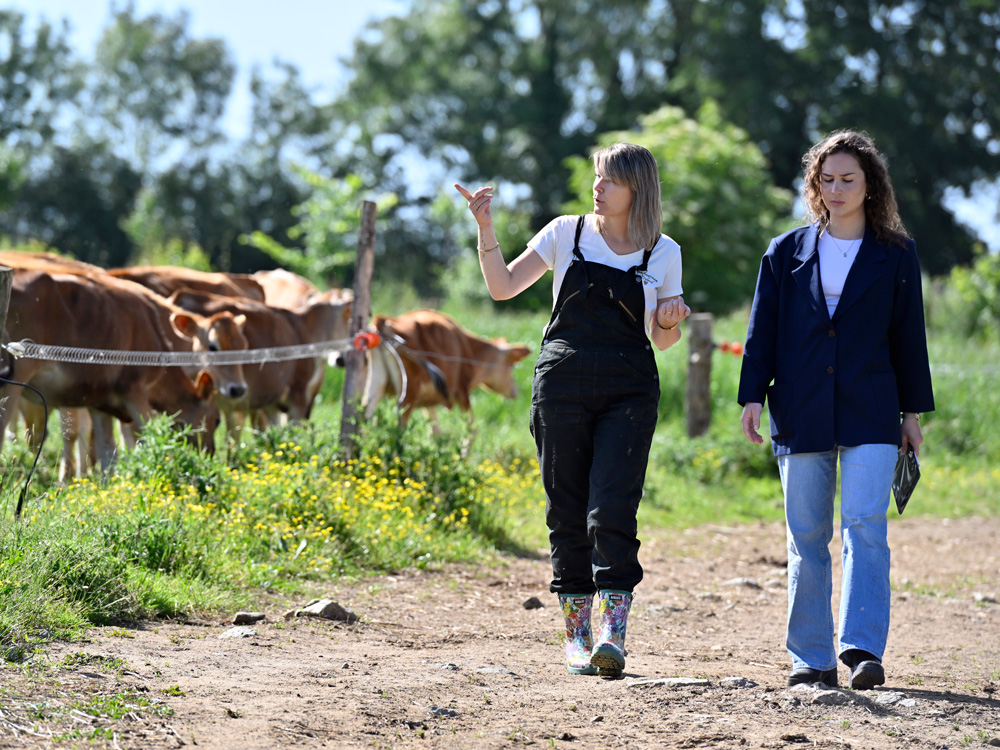
Professional Bachelor’s Degree in Agricultural Business Management
- Possible options : Student or apprenticeship status, Student status
- Duration : 1 an
- Campus : Angers
- Field of Study : Management and strategy
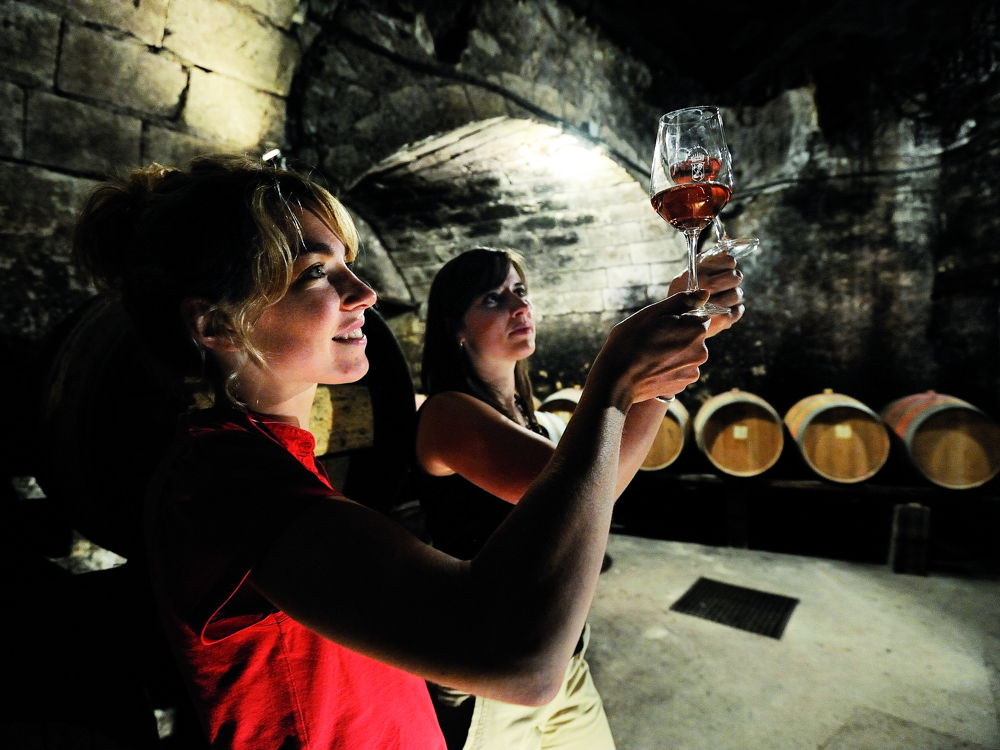
Professional Bachelor’s Degree in International Business and Marketing of Wines and Terroirs
- Possible options : Student or apprenticeship status, Student status
- Duration : 1 an, 1 year
- Campus : Angers
- Field of Study : Management and strategy, Viticulture and oenology
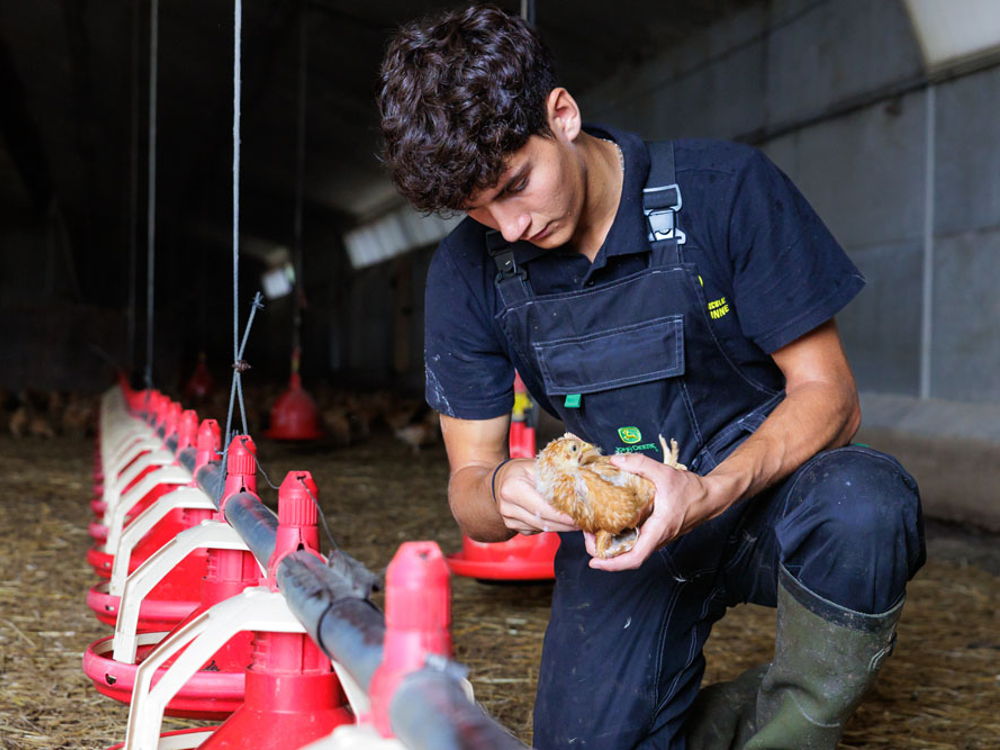
Professional Bachelor’s Degree in Animal Production and Livestock Management
- Possible options : Student or apprenticeship status, Student status
- Duration : 1 an
- Campus : Angers
- Field of Study : Animal Science

Bachelor’s Degree – Agroecology and Food Systems
- Possible options : Student or apprenticeship status, Student status
- Duration : 3 years
- Campus : Angers
- Field of Study : Animal Science, Crop production and Agroecology, Environmental Science, Food Science
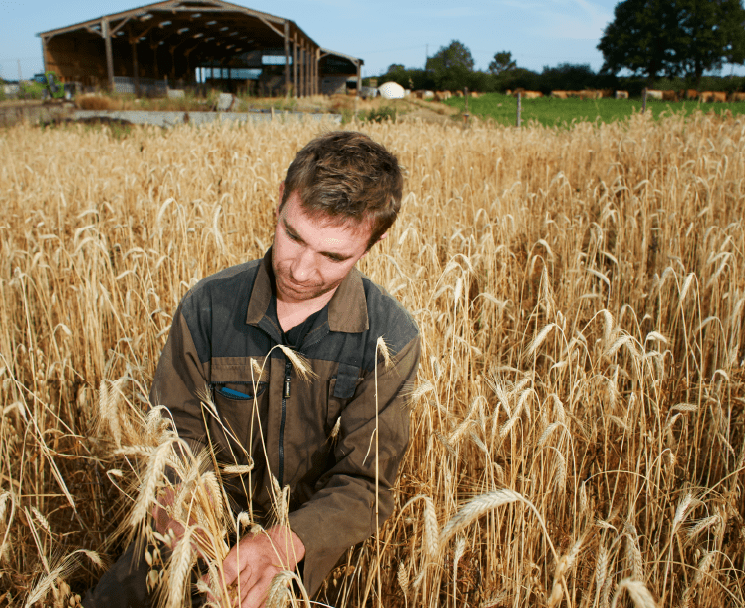
Bachelor’s Degree in Agronomy
- Possible options : Student or apprenticeship status
- Duration : 1 an
- Campus : Angers
- Field of Study : Crop production and Agroecology
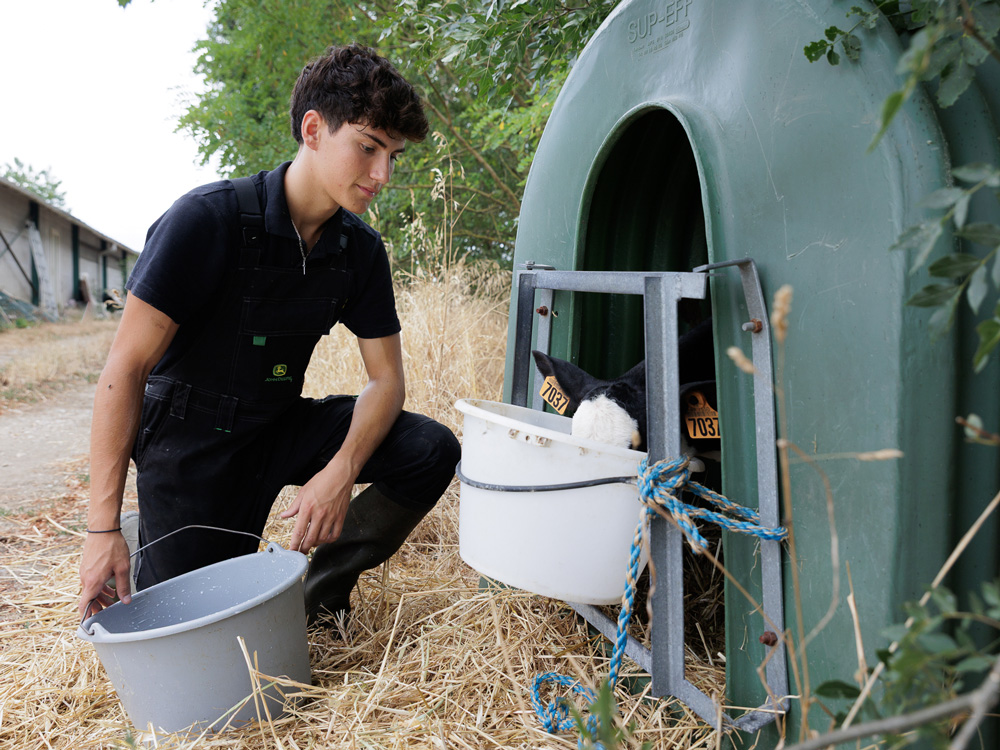
Higher National Technical Diploma in Livestock Management
- Possible options : Student or apprenticeship status, Student status
- Duration : 2 ans
- Campus : Angers
- Field of Study : Animal Science
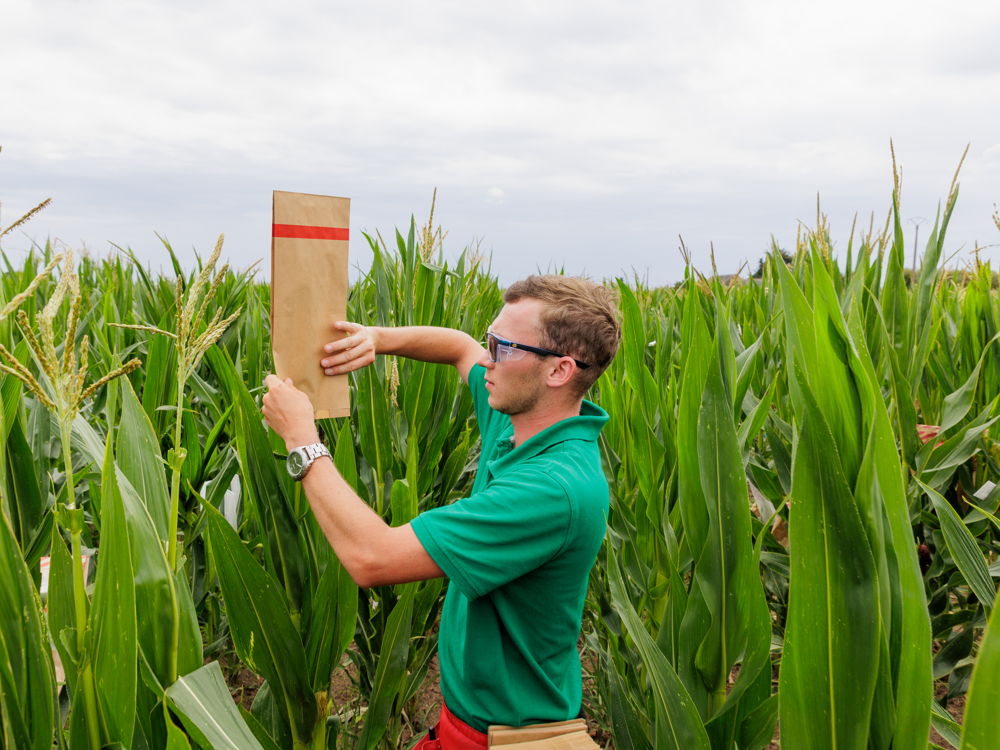
Higher National Technical Diploma in Agronomy and Sustainable Crop Production
- Possible options : Student or apprenticeship status
- Duration : 2 ans
- Campus : Angers
- Field of Study : Crop production and Agroecology
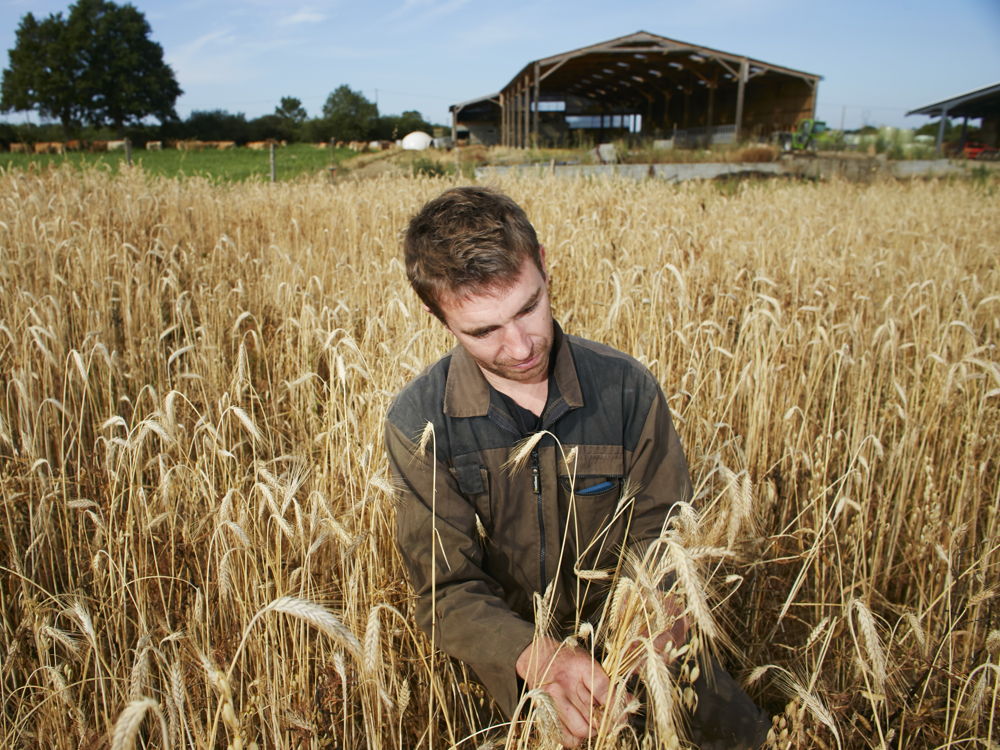
Higher Technical Qualification in Agricultural Business, Management and Strategy
- Possible options : Student or apprenticeship status, Student status
- Duration : 2 ans
- Campus : Angers, Angers
- Field of Study : Animal Science, Crop production and Agroecology, Management and strategy
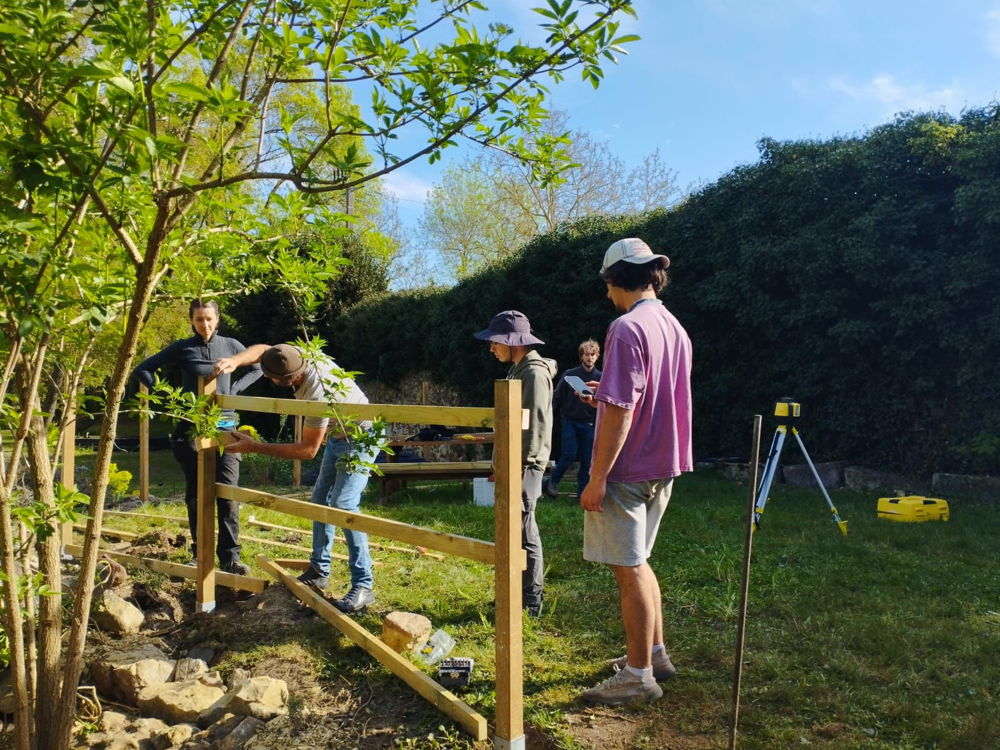
Higher National Technical Diploma in Landscape Architecture
- Possible options : Student or apprenticeship status
- Duration : 2 ans
- Campus : Angers
- Field of Study : Horticulture & paysage
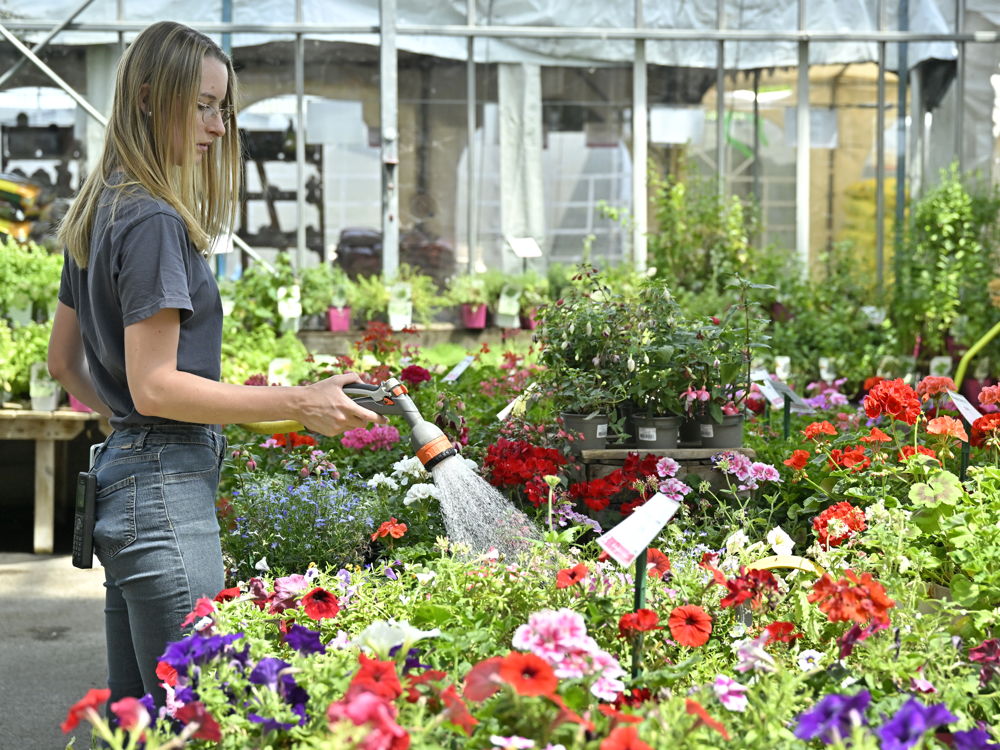
Higher National Technical Diploma in Horticulture
- Possible options : Student or apprenticeship status
- Duration : 2 ans
- Campus : Angers, Angers
- Field of Study : Horticulture & paysage
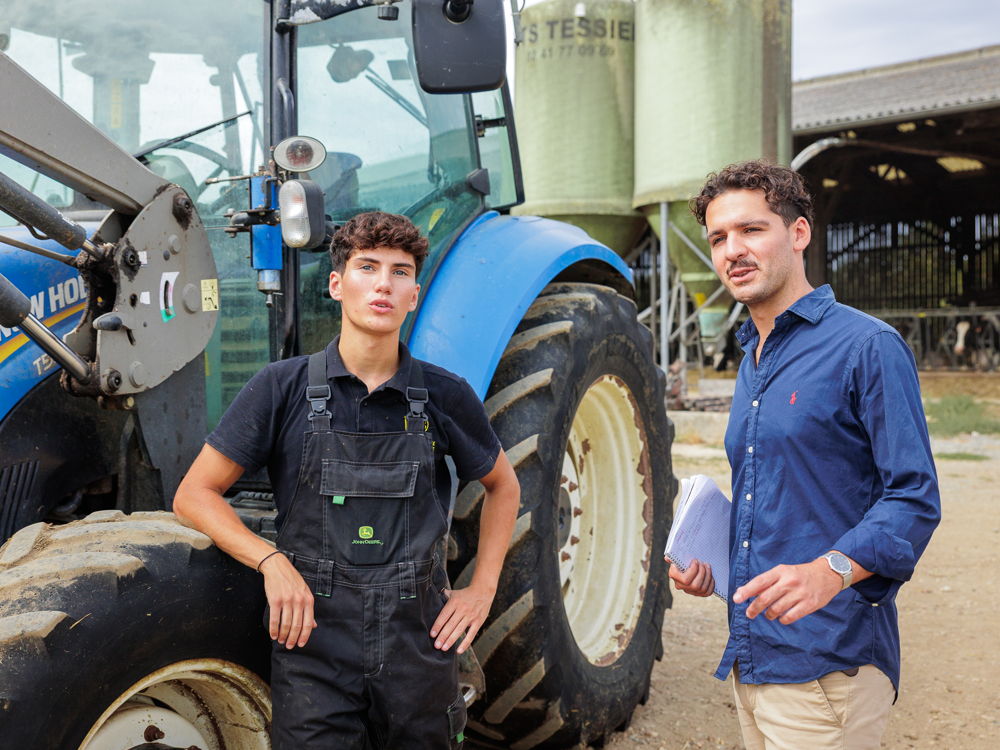

Higher National Technical Diploma in Technical Sales
- Possible options : Student or apprenticeship status, Student status
- Duration : 2 ans
- Campus : Angers
- Field of Study : Food Science, Horticulture & paysage, Management and strategy, Viticulture and oenology
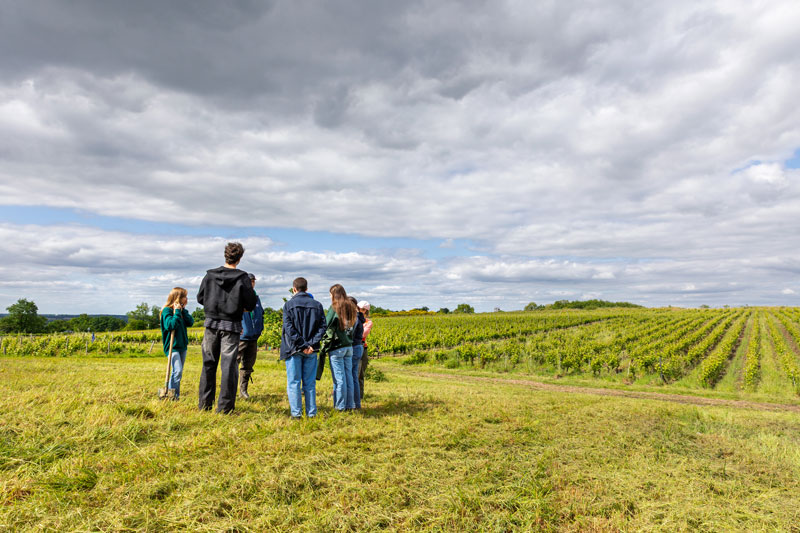

Master of Science in Vine, Wine and Terroir Management (Vintage)
- Possible options : Student or apprenticeship status, Student status
- Duration : 2 ans, 2 years
- Campus : Angers
- Field of Study : Viticulture and oenology

MSc – Master of Science CGE AgriFoodChain
- Possible options : Student status
- Duration : 1 an, 2 ans, 2 years, One-year MSc / Two-year MSc
- Campus : Angers, Angers
- Field of Study : Food Science

Study in France : Preparing your stay
Everything is done for you to enjoy student life ‘à la française‘ in Angers. Lecturers, administrative staff and French students will support you in your studies and help in your daily life.





Study at ESA, where your projects take root


Discover our Angers campus

Coming to study in France at ESA
5 Good reasons to choose ESA
01.
Graduate from a top ranked school
in Agriculture.
02.
Learn
about sustainability and agriculture.
03.
Skills
Be practically and technically skilled.
04.
Be involved
in Agricultural and Food transitions
05.
Internationally recognised degree
Graduate with an internationally recognised degree at undergraduate or graduate level.

Research
Research units
ESA Research helps guide agri-businesses toward sustainable development.
Supported by the Ministry of Agriculture, Food, Fisheries, Rural Affairs and Spatial Planning and contracted by INRAE, French National Research Institute for Agriculture, Food and Environment (USC INRAE-ESA).
Our research unit, created in 2007, works for animal sectors of the Grand Ouest region, whose economic importance is strong at a regional and national levels. URSE is a Esa research unit and also part of INRAE – ACT department (Action, Transitions and Territories) and part of the Pays de la Loire INRAE center, as and USC unit (under contract research unit).
Contracted with INRAE, approved by the Ministry of Agriculture (MAAF) and evaluated by HCERES – Member of the SFR 4207 QUASAV
Our unit is certified by the Ministry of Agriculture (MAAF) and evaluated by HCERES.
Our research deals with biodiversity in areas strongly influenced by human activity. Our pluri-disciplinary team studies the interactions between farming practices, management by other stakeholders and biodiversity, at different spatial and temporal scales. The research is carried out in farming contexts or along rural-urban gradients. The fields of application are agroecology and natural resource preservation.

5
research units

85
research collaborators and teachers

41
research projects

112
scientific productions in 2024-2025
Discover ESA news and campus life
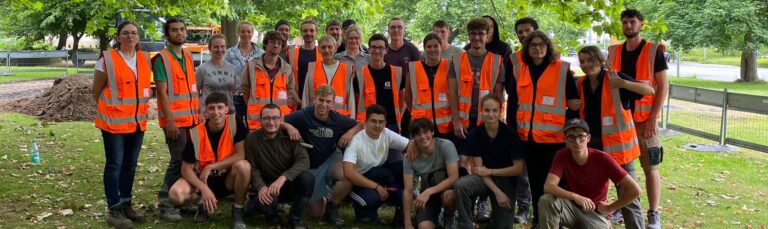
Franco-German cooperation: landscape and horticulture apprentices join forces in Osnabrück
OSNABRÜCK (Germany) – As part of the twinning between the cities of Angers and Osnabrück, a landscaping project recently brought together French and German apprentices for a collaborative worksite. Led by the École Supérieure des Agricultures (ESA) and the school BBS Haste, the initiative was made possible with support from the Franco-German Youth Office (OFAJ). Objective Objective : to encourage…
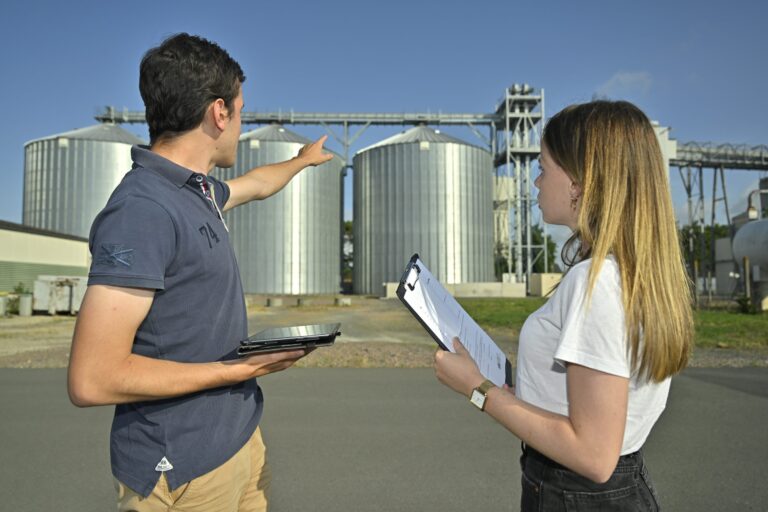
A new specialization for the Master of Science in Agricultural Engineering
Food Sustainable Supply Chain Management Delivered entirely in English , the specialization Sustainable Purchasing and Supply Chain in Agriculture trains experts capable of organising and optimising the supply of agricultural products, from the field to the consumer. It combines purchasing management, logistics and environmental responsibility to meet the current challenges facing the agricultural and agri-food sectors. The emphasis is on…

ESA exhibiting at 2024 Paris International Agricultural Show
On-going projects at ESA This year, ESA was presenting several of its on-going and upcoming projects: ❖ Making science accessible to everyone via disseminating the first results of the research project – Jack ❖ Launching the Business Chair for Women in Agriculture ❖ Presenting the new Professional bachelor’s in marketing and value Chain of the local food products. Science…

ESA Angers ranked 1st among the schools in agriculture!
Internationalisation and close relationships with companies as one of our strenghts ESA ranked top among the French Engineering Schools in Agriculture and Food Science Ranked 1st among the schools in agriculture and ranking 35th among all French schools. The French magazine, Usine Nouvelle has just released its new 2024 ranking. Usine Nouvelle ranks all French schools based on several…